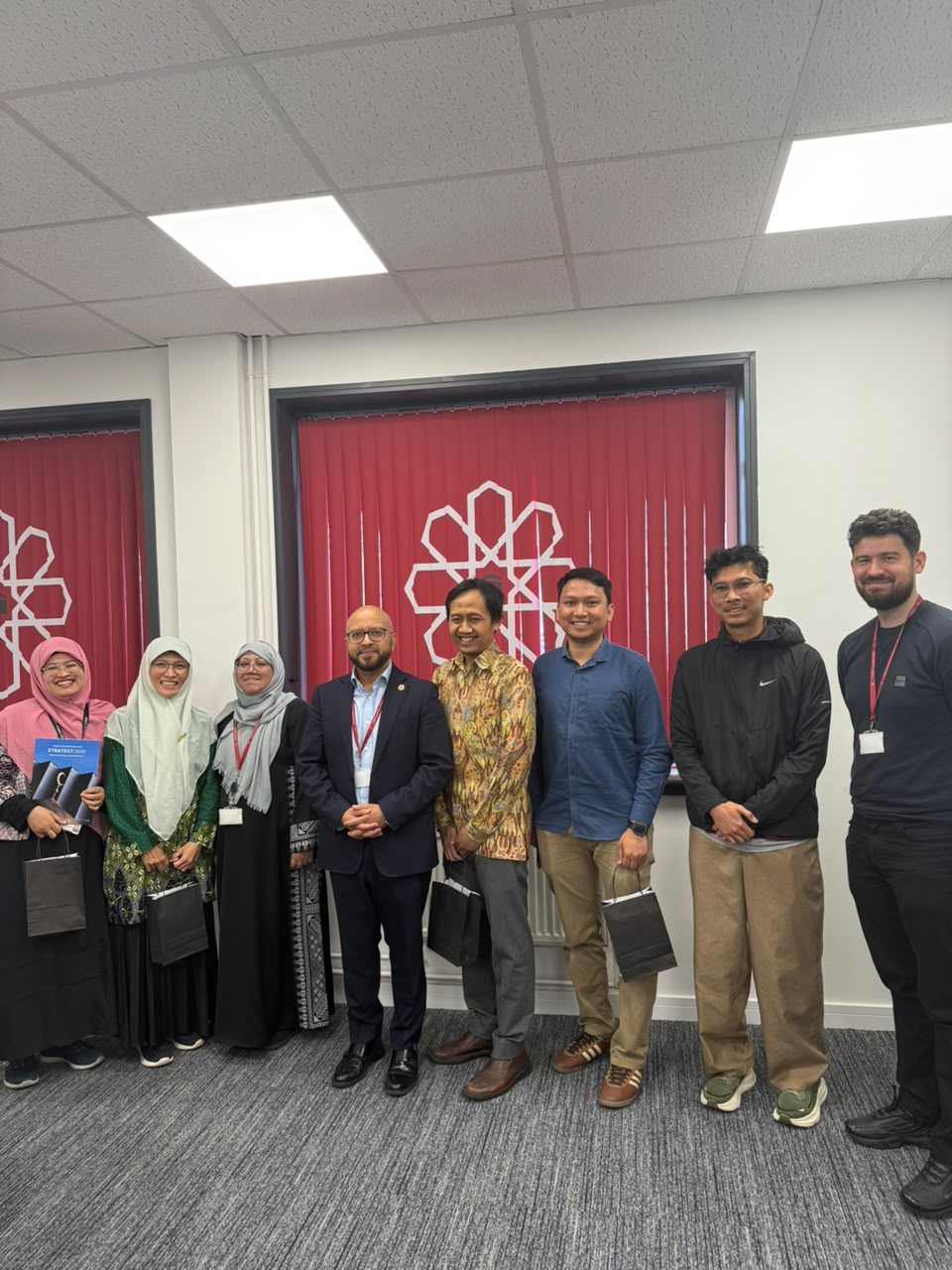
The Special Branch Board of Muhammadiyah (PCIM) in the United Kingdom and Ireland, together with KIBAR (Indonesian Muslim Family Association in the UK), explored strategic collaboration opportunities with the East London Mosque (ELM), one of the largest Islamic centers in the UK, particularly in the areas of social services, education, and community empowerment in London.
According to PCIM United Kingdom and Ireland Chairperson Ince Dian, this initiative marks an important first step in building a sustainable partnership between Muhammadiyah, one of Indonesia’s largest Islamic organizations and the prominent Islamic institution in the UK
“This opens up broader opportunities for cooperation in education, social welfare, and strengthening the contributions of the Indonesian diaspora to British society,” Ince stated on Wednesday (17/6).
The meeting took place in Whitechapel, London. The Muhammadiyah delegation was warmly received by East London Mosque Chief Executive Officer (CEO) Junaid Ahmed. Also took part in the discussion was the Head of Programmes and Maryam Centre, Sufia Alam.

Possible Future Cooperation
Several areas of potential collaboration were discussed. These include support services for senior citizens, academic and scholarly exchanges between Indonesia and the United Kingdom. They also considered the development of educational programs grounded in Islamic and social values.
In addition, the PCIM London delegation had the opportunity to visit the Barakah Khan Visitor Gallery. The building serves as an educational facility introducing the history and development of the East London Mosque to the community.
“Muhammadiyah has extensive experience in managing educational institutions, healthcare services, and social programs. It can serve as a strong foundation for developing joint initiatives in the UK,” said Ince.
“We hope that the dialogue initiated today can be followed up with concrete programs that provide meaningful benefits for both the Muslim community and society at large,” she added.
The meeting concluded with an agreement to continue technical discussions aimed at formulating sustainable collaborative programs. These programs were aimed to cover fields of social services, education, and community empowerment. (Bhisma)



No comments yet. Be the first to share your thoughts!