EN.MUHAMMADIYAH.OR.ID, YOGYAKARTA – Indonesia’s labor market is facing mounting pressure. As deindustrialization continues to reduce employment opportunities, the country’s growing number of university graduates is confronting an increasingly competitive job market.
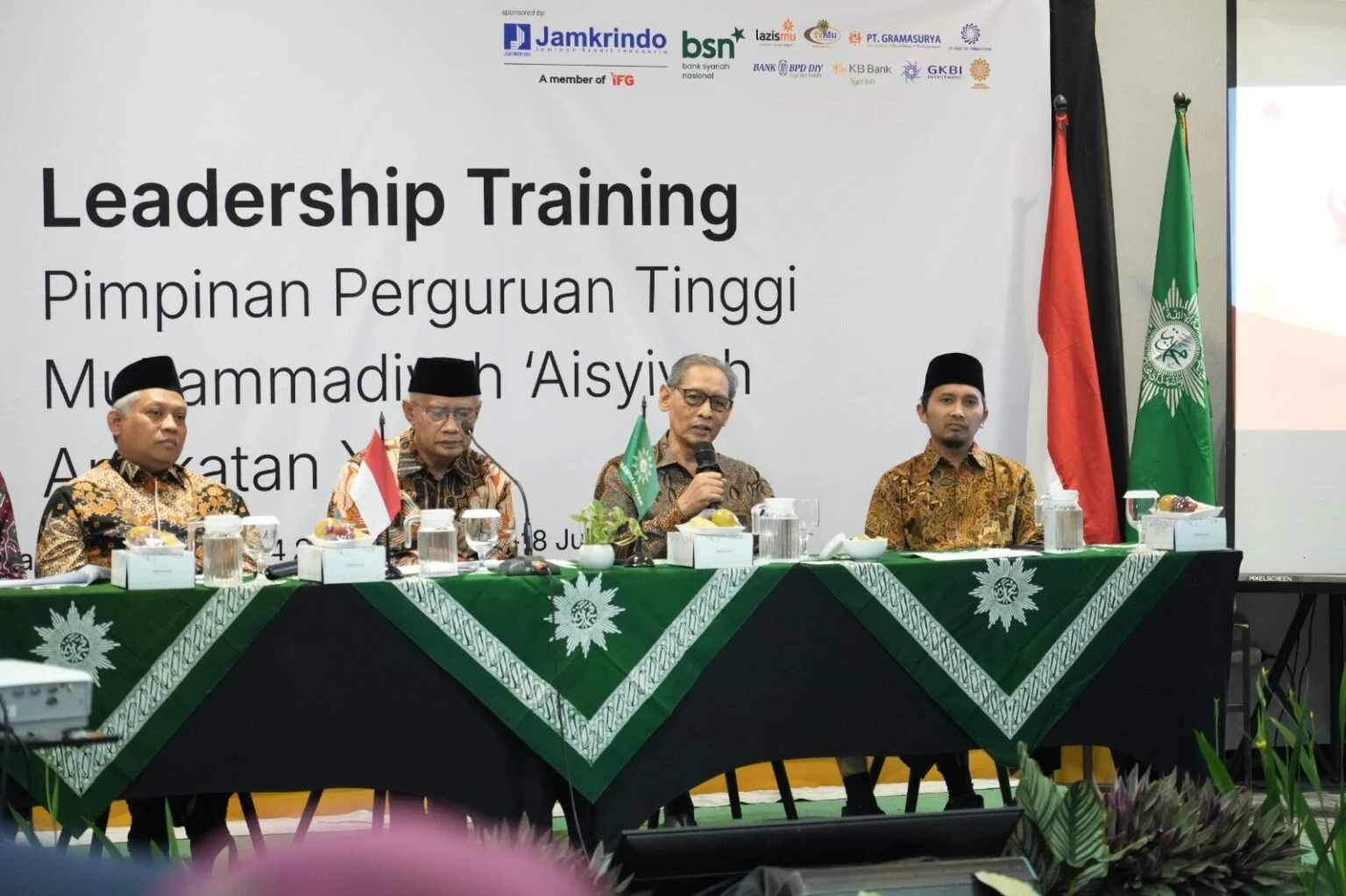
Bambang Setiaji, Chairperson of the Muhammadiyah Central Board’s Council for Higher Education, Research, and Development (CHERD), said the number of university graduates in Indonesia has risen sharply over the past five years. It increased by an estimated three to four million people. The total number of graduates, he noted, has grown from approximately six million to around ten million.
“Imagine if the number of qualified human resources continues to rise, while the capacity of the labor market keeps shrinking,” said Bambang.
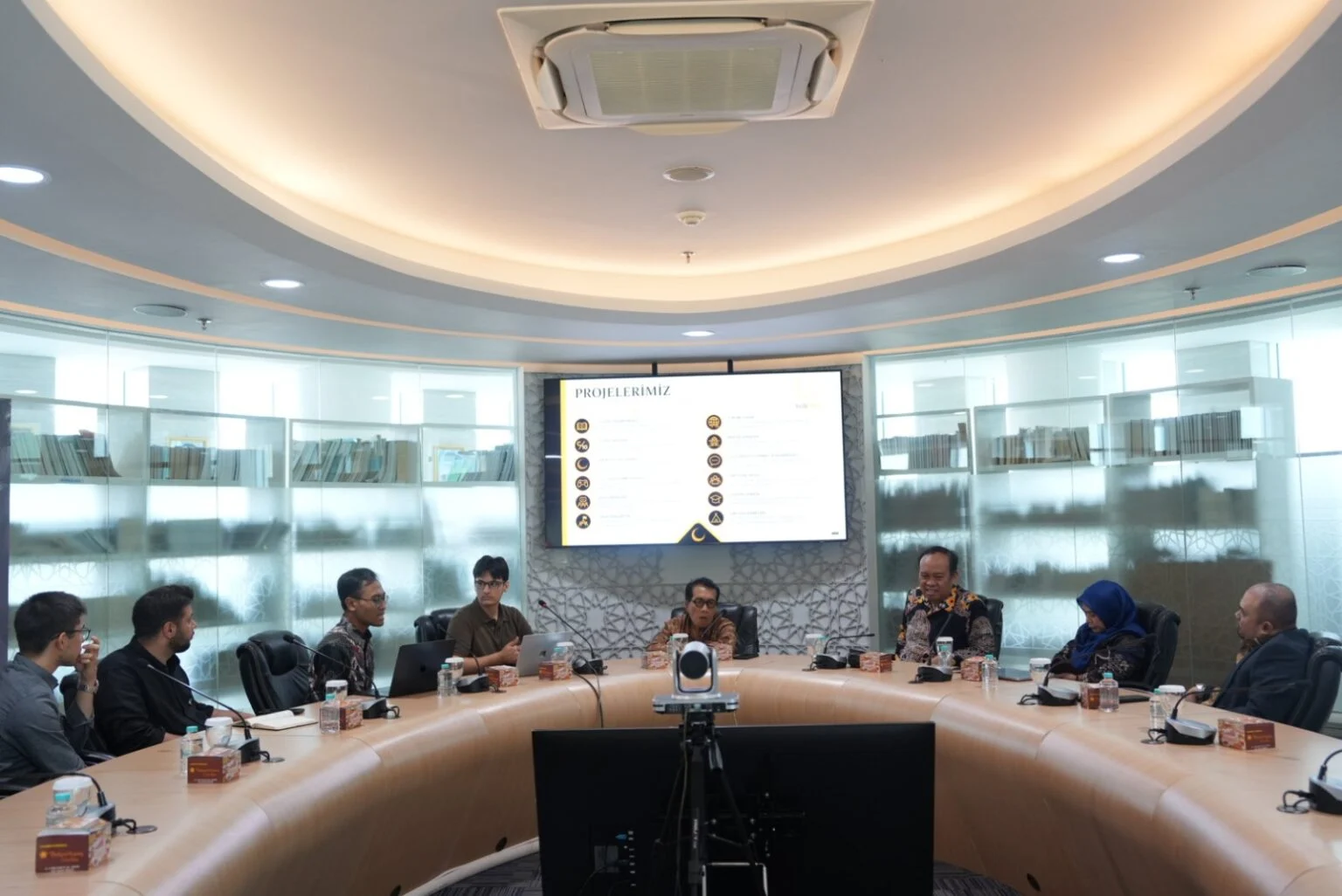
He made the remarks during the 12th Leadership Training Program for Rectors and Vice Rectors of Muhammadiyah and ‘Aisyiyah Universities, held Tuesday (14/7) at the Muhammadiyah University of Yogyakarta (UMY).
According to Bambang, one of the key differences between developed and developing countries lies in the foundation of their economies. Developed nations are primarily driven by the service sector, while developing countries, including Indonesia, rely heavily on manufacturing.
However, he noted that Indonesia has experienced a decade of deindustrialization. At the same time, an influx of low-cost imports from China has placed additional pressure on domestic manufacturers, forcing many local industries to scale back operations or shut down entirely.
As a result, Bambang said, Muhammadiyah and ‘Aisyiyah universities must respond to these changing economic conditions by preparing students for an increasingly uncertain labor market.
“Higher education institutions must think seriously about where their graduates will work and what kind of careers they will pursue after graduation, because that is also the hope of their families,” he said.
Beyond Employability: Building Character and Innovation
Bambang acknowledged that helping graduates secure employment—or equipping them to create jobs through entrepreneurship—has become an urgent challenge for PTMA institutions.
Nevertheless, he emphasized that their broader mission extends beyond workforce preparation.
“The responsibility of educators is not simply to graduate students,” he said. “Our mission is also to nurture individuals with noble character, strong faith, and piety.”
For that reason, Bambang argued that Al-Islam dan Kemuhammadiyahan (AIK), the distinctive Islamic and Muhammadiyah studies curriculum taught across PTMA campuses, remains highly relevant.
He encouraged universities to move beyond teaching AIK solely as theoretical knowledge. Instead, its values should also be reflected in students’ attitudes and daily conduct, allowing the curriculum to remain relevant amid rapid social, economic, and technological change.
Bambang further called on Muhammadiyah universities to foster greater community self-reliance, particularly as Indonesia’s sluggish industrial sector continues to limit employment opportunities.
In his view, universities should strengthen students’ capacity for innovation and entrepreneurship so they can create new economic opportunities rather than rely exclusively on existing ones. While curriculum remains important, innovation must receive an even greater emphasis.
The post As Job Competition Intensifies, Muhammadiyah Universities Urged to Produce Adaptive and Innovative Graduates appeared first on Muhammadiyah Official Website - English Version.









No comments yet. Be the first to share your thoughts!